Remote Lab Visits That Still Work Six Years Later
A manufacturing client in Potchefstroom relied on regular visits from overseas customers and technical partners to review equipment, lab processes and test results. When Covid brought international travel to a standstill, they needed a practical way to keep those conversations going without anyone stepping on a plane.
What they needed
They had a few requirements that couldn’t be compromised on:
- Reliable video calls with overseas customers and technical partners
- The ability to show live lab procedures and testing without interruption
- Coverage from multiple angles without moving equipment
- Good image quality for meaningful technical discussions
- Hardware capable of surviving a dusty production environment
- A system simple enough for staff to operate without technical support
That last point was the sticking point. In our experience, plenty of AV setups look great in a demo but fall apart the moment someone needs to start a call without help. In a working lab, that’s a dealbreaker.
What we did
Before recommending any equipment, we spent time understanding how the lab actually operated. We looked at where staff worked, what overseas visitors needed to see, and how often attention shifted between workstations and testing areas.
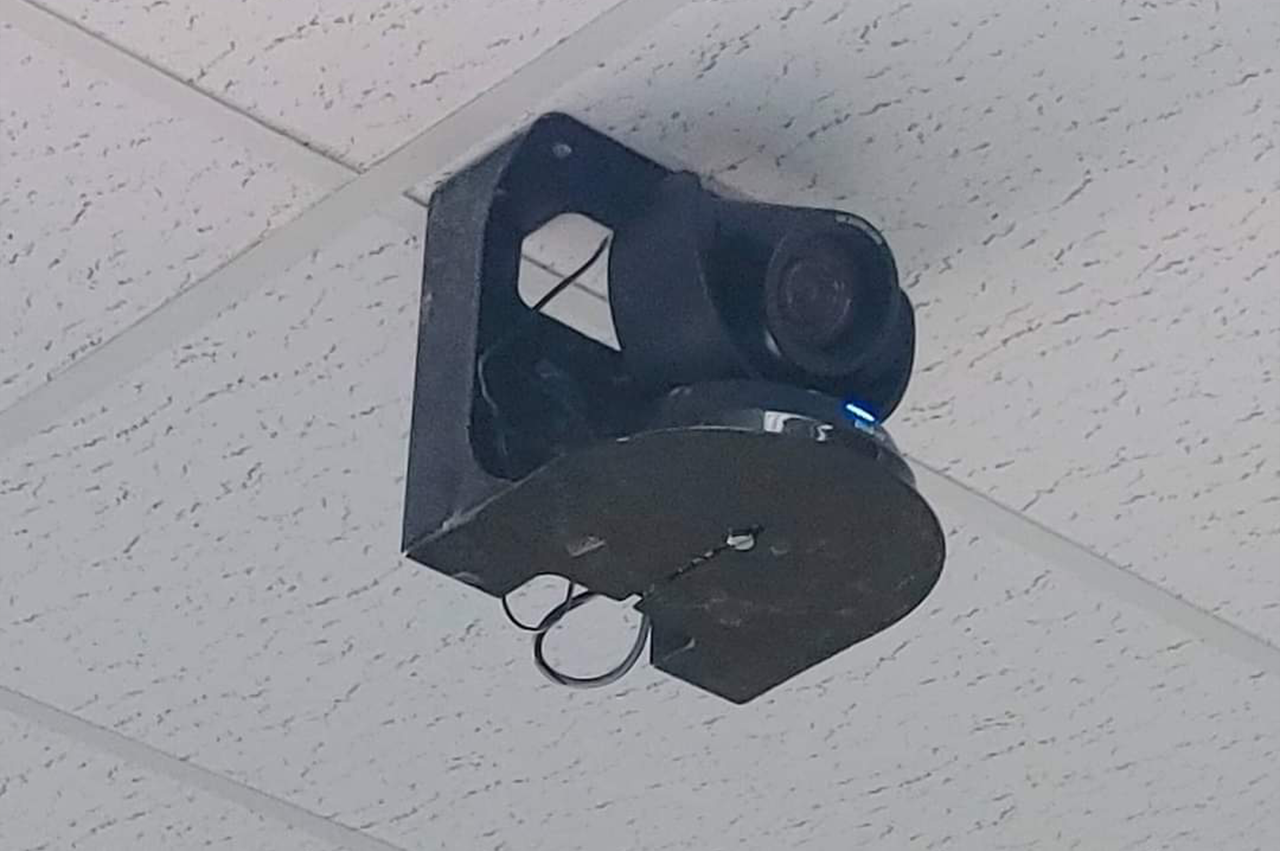
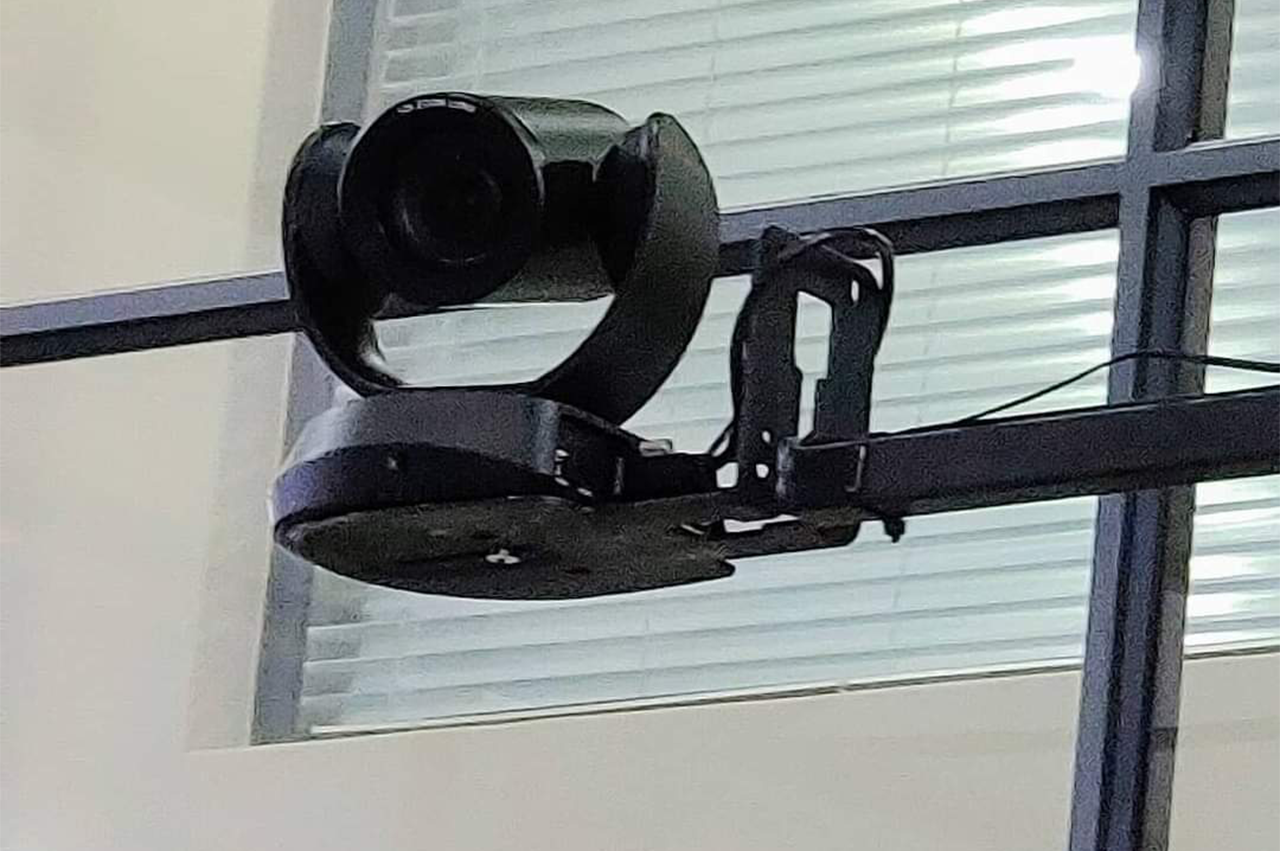
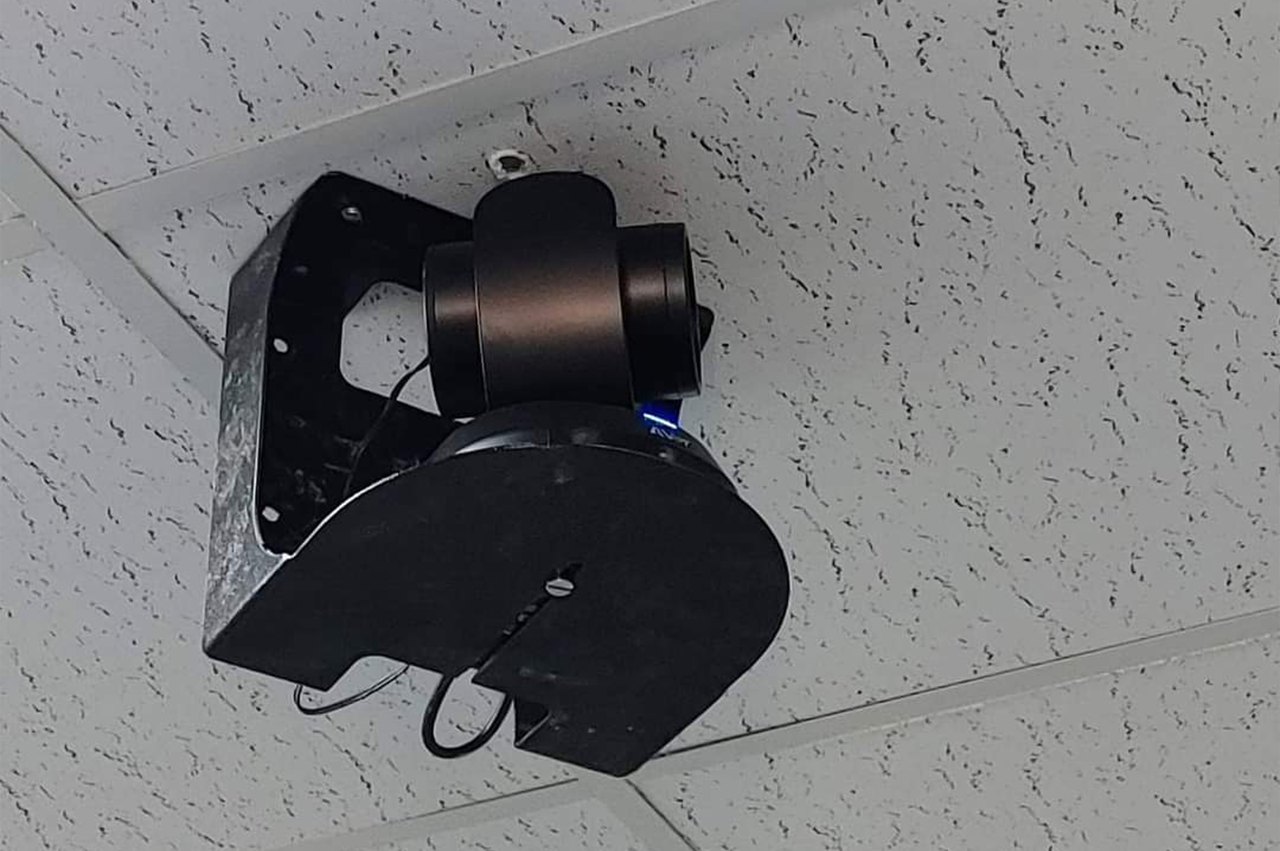
Based on that, we installed two AVer CAM520 Full HD PTZ cameras for their HD video quality, zoom capability and proven reliability, whilst being compatible with the existing audio system.
Rather than bolt them to one spot, we designed and built custom swing-arm brackets that allowed the camera angles to be adjusted between workstations and testing areas as needed.
Just as importantly, the system fitted naturally into the way the lab already worked, making it easy for staff to use without technical assistance.
How it’s worked out
The client kept their international relationships running through the travel restrictions — live demos, technical discussions, all run from the lab floor.
But it didn’t stop there. What started as a Covid workaround has become a permanent part of how the site operates. More importantly, staff actually used it. The system became part of the daily workflow rather than another piece of technology that only worked when a specialist was available.
The system is now also being used for customer demonstrations, staff training and exhibitions. To us it showed that the design solved the real problem rather than simply addressing a temporary one. The goal was never to install cameras. It was to keep the lab connected to the people who needed to see it — and six years on, it still is.
